


Chuối Sáp
Sap Banana: A Specialty Banana of the Mekong Delta
General Information
• Common name: Sap Banana (Chuối Sáp)
• Genus: Musa
• Group: ABB
• Species: Musa balbisiana x Musa acuminata
• Banana types: Cooking banana
• Origin: Mekong Delta, Vietnam
• Distribution (in Vietnam): Primarily in Mekong Delta provinces such as Trà Vinh, Bến Tre, and Sóc Trăng.
Description
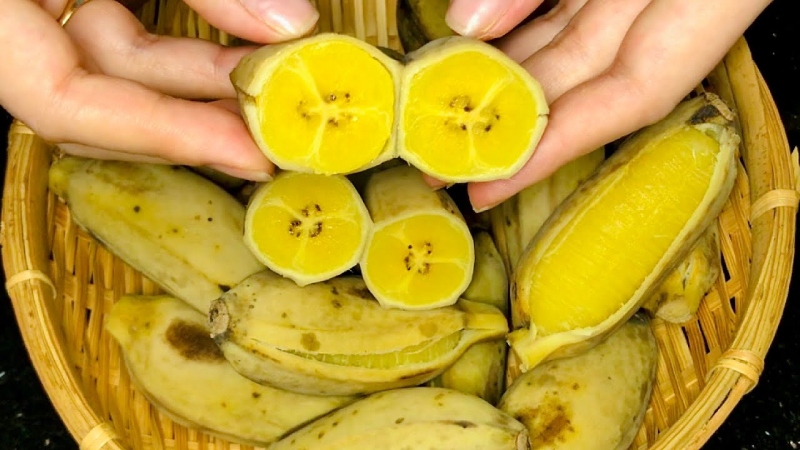
• Sap Banana is small in size, measuring about 10-12 cm in length, with a thick peel that is pale yellow or slightly green when ripe.
• When boiled or steamed, its flesh turns vibrant orange-yellow, becoming chewy and fragrant.
• This banana has a unique flavor—mildly sweet, nutty, and rich, making it a popular traditional snack.
Nutritional Value
• Sap Banana is rich in fiber, helping to improve digestion, prevent constipation, and support gut health.
• It contains vitamins B6, C, and A, along with minerals like potassium and magnesium, which are beneficial for heart health and reducing high blood pressure risks.
• With its low calorie content and zero cholesterol, Sap Banana is a great choice for dieters and athletes.
Usage
• Boiled banana: The most common preparation method—when boiled or steamed, Sap Banana becomes more chewy and flavorful.
• Culinary applications: Sap Banana is often used in banana sweet soup (chè chuối), hot pots, and as an ingredient in banana cakes.
• Dried banana: This banana is also sun-dried or processed into banana candy, making it a well-known specialty product of the Mekong Delta.
Cultivation Conditions and Growth Characteristics
• Sap Banana thrives in alluvial soil, riverbank deposits, or well-drained loamy soil.
• This variety is highly tolerant of saline and acidic soil, making it well-adapted to the challenging terrain of the Mekong Delta.
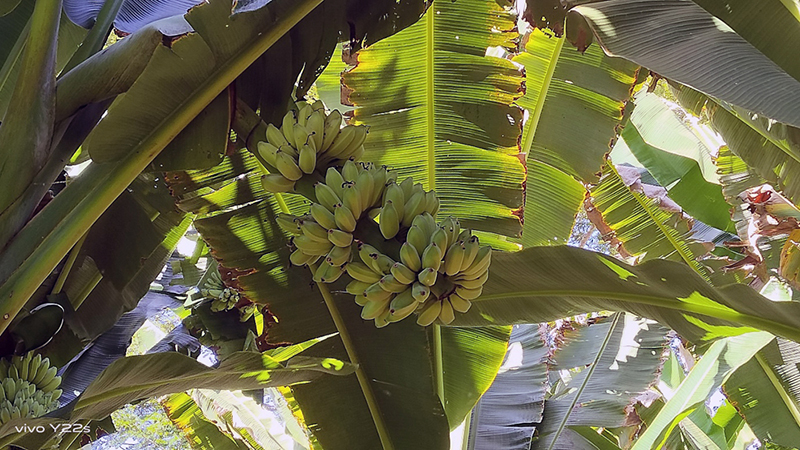
• It has a growth cycle of 8-12 months, with bunches weighing 12-18 kg, typically containing 6-8 hands per bunch.
Commercial Value
• Sap Banana is a famous specialty of the Mekong Delta, with high demand during festivals and Tet celebrations.
• It is exported to several international markets, including Cambodia, China, and Southeast Asian countries.
• Products made from Sap Banana, such as boiled or dried bananas, are highly popular in domestic markets and as premium gifts.
Key Features
• Sap Banana has a unique taste that differs from fresh-eating bananas, particularly when cooked.
• It is easy to cultivate, resistant to pests, and suitable for challenging soil conditions such as saline and acidic land.
Conclusion
Sap Banana is not just a familiar fruit but also a symbol of Mekong Delta cuisine. With its distinctive flavor, high nutritional value, and versatility in cooking, Sap Banana is truly a source of pride for the people of Vietnam’s riverland regions.